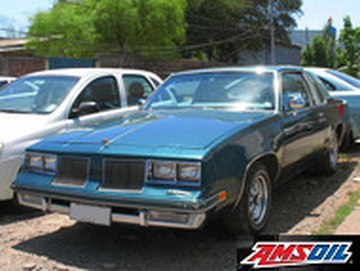
Engine Lubrication Maintenance for the 1981 Oldsmobile CUTLASS 3.8L
Maintaining the lubrication system of a 1981 Oldsmobile CUTLASS with the 3.8L engine requires consistent attention to fluid condition and component integrity. As vehicles age, the methods used to monitor and preserve engine health become increasingly important for ensuring continued operation. Proper management of engine oil is a cornerstone of this process, as the lubricant performs several vital roles that protect internal components from friction and heat.
Monitoring Fluid Condition and Potential Leaks
One of the most effective ways to monitor the health of the 3.8L engine is through regular visual inspections. Owners should look for any signs of fluid seepage or active leaks around the engine block and associated sealing surfaces. While some degree of seepage can occur as gaskets and seals age, identifying these areas early allows for more controlled maintenance decisions.
When performing a routine check, it is useful to observe the following:
- Surface Seepage: Check around various engine junctions for any evidence of oil residue that may indicate aging gaskets or seals.
- Fluid Appearance: Periodically check the color and consistency of the oil. Significant darkening or a gritty texture can be an indicator of extended service intervals or internal contamination.
- Puddle Inspection: Regularly inspect the ground beneath the vehicle after it has been parked for an extended period to identify any slow-forming leaks.
If you notice unusual lubricant consumption, such as a need to add oil more frequently than expected, this warrants a thorough inspection. It is important to remember that changes in fluid levels or appearance can be associated with various factors, and a single symptom does not necessarily point to one specific mechanical issue.
Managing Maintenance Records for Long-Term Ownership
For an owner of a 1981 Oldsmobile CUTLASS, establishing a clear maintenance baseline is highly beneficial. If the vehicle's service history is unknown, the first priority should be to document all current observations and completed services. This creates a roadmap for future care and helps distinguish between routine upkeep and necessary repairs.
Keeping detailed records of oil changes, filter replacements, and any other fluid services provides several advantages:
- Trend Identification: Documentation allows you to see if oil consumption or leak rates are increasing over time.
- Informed Decision-Making: Having a history of what has been replaced helps prevent redundant work and ensures that aging components are addressed based on their actual condition rather than guesswork.
- Service Continuity: If the vehicle is ever serviced by a different technician, having a written history of previous repairs and fluid types used can streamline the diagnostic process.
Prioritizing maintenance based on the current state of the vehicle—rather than solely on its age—is a practical approach to long-term ownership. Addressing active leaks or addressing overdue service items first ensures that the most critical needs are met before they escalate into more complex issues.
Inspecting Peripheral Engine Components
While engine oil is central to lubrication, other components in the engine compartment should be inspected during routine service to ensure a healthy operating environment. For example, if equipped, inspecting accessible drive belts for signs of cracking, glazing, or fraying can prevent unexpected interruptions in accessory operation. Similarly, checking the condition of various hoses, if present, helps ensure that the cooling and vacuum systems remain intact.
Electrical connections and wiring should also be examined for signs of brittleness or corrosion, as these can impact the overall reliability of engine-related sensors and systems. A clean and well-maintained engine bay makes it much easier to spot new leaks or mechanical changes that might otherwise go unnoticed.
Understanding Lubricant Functions
The oil in a 3.8L engine does more than just reduce friction between moving parts. It also plays a significant role in heat management by helping to carry thermal energy away from high-temperature areas within the engine. Furthermore, modern lubricants are designed with additives that assist in deposit control, helping to manage the buildup of substances that can occur during the combustion process.
Maintaining the correct quality and freshness of the lubricant is essential for these functions to remain effective. As oil undergoes thermal cycles, it can eventually lose its ability to effectively manage contaminants or maintain its protective film, making regular service a necessity for engine preservation.
Practical Steps for Engine Care
When performing your own inspections, always prioritize safety and cleanliness. Ensure the engine is at an appropriate temperature before checking fluid levels, and use clean rags to wipe down any areas you are inspecting. This prevents the introduction of dirt or debris into sensitive areas of the engine.
If you observe any warning signs—such as unusual mechanical noises or changes in how the engine responds during startup—these should be investigated promptly. While these symptoms can have multiple causes, early investigation is always preferable to waiting until a minor issue becomes more significant.
Buying Engine Oil for your 1981 Oldsmobile CUTLASS 3.8L
When it is time to replenish your engine lubricant, the most important step is to match the product to the specific requirements of your vehicle. Rather than relying on general automotive knowledge or assumptions based on the age of the car, you should always refer to the application-specific viscosity and oil information provided on this webpage.
Before completing your purchase, consider the following practical tips:
- Verify Labeling: Always check the product packaging to ensure it meets the appropriate API certifications for your needs.
- Evaluate Formulations: Depending on your specific maintenance goals and the current condition of your engine, you may choose between conventional, synthetic blend, or full synthetic oils. Some high-mileage oil formulations also contain additives intended for use in aging engines, including seal-conditioning additives.
- Avoid Assumptions: Do not assume that a modern oil grade is automatically better or more appropriate than what the application information specifies. Always prioritize the data provided for your exact engine.
By following the vehicle-specific guidance displayed on this page, you can ensure that you are selecting a lubricant that is compatible with the 3.8L engine in your 1981 Oldsmobile CUTLASS.